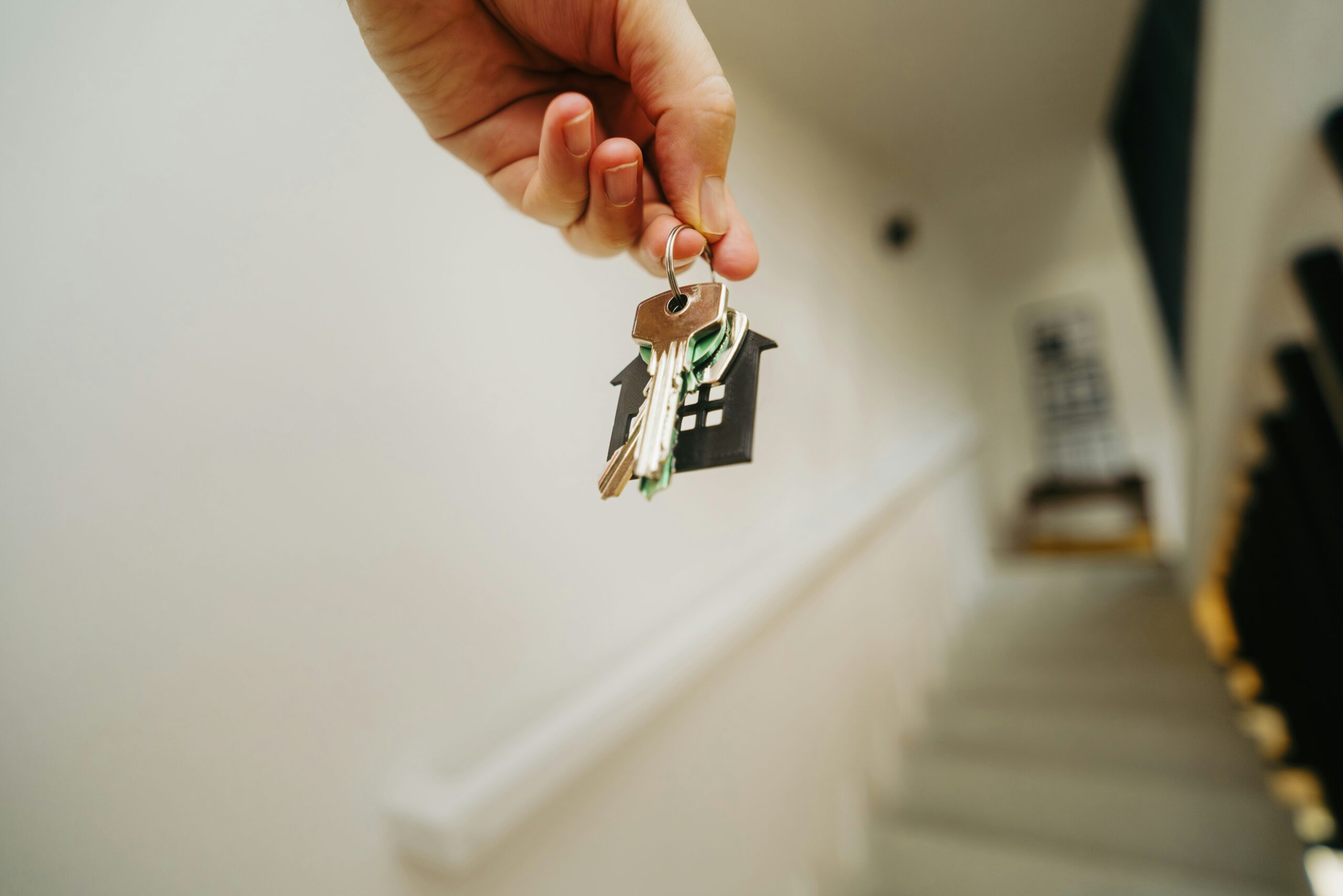
Ultimately, it's the small moments that build comfort and transform a new space into home. Even if the unit itself feels right, the building around it can take time to settle into. Shared entrances, unfamiliar sounds, and routines that aren’t yours yet can make things feel temporary at first, even when you know you’re staying.
This feeling is common, especially for people coming from detached homes or smaller buildings. Feeling at home in a condo usually has less to do with unpacking everything perfectly and more to do with understanding how the building works and how you fit into it.
In the beginning, it can feel like there’s a lot to absorb. Entry systems, key fobs, elevators, parking levels, storage rooms, garbage and recycling areas, and amenities all come with their own logic. When everything is new, even simple errands like taking out the trash or grabbing something from your car require extra thought.
This stage can feel tiring, especially while you’re still unpacking and adjusting to a new routine. Most people underestimate how much mental energy this learning phase takes. The good news is that it passes quickly.
After a few days of coming and going, routes start to feel familiar. You stop checking signs, remember which elevator to take, and move through the building without thinking about it. What initially felt complicated becomes automatic through repetition.
Many Edmonton condo owners find this learning curve shorter than expected, especially in buildings with clear signage and helpful management.
In a well-managed condo community, these rhythms tend to be more predictable and comfortable for residents. Certain times of day are busier, others are quieter. Elevators might feel crowded in the mornings and calm later in the evening. Hallways may be active during move-in periods and quieter once routines settle.
Noticing these patterns helps you feel more comfortable without having to change anything. You learn when shared spaces feel busiest and when they feel calm, which naturally reduces friction and uncertainty.
This awareness often develops quietly. One day you realize you instinctively know when to head out or when to wait a minute, and the building feels easier to navigate as a result.
It’s tempting to want everything unpacked and organized right away, especially if you’re eager to feel settled. In practice, feeling at home usually comes faster when the essentials are in place rather than when everything looks finished.
Setting up a comfortable sleeping area, having your kitchen basics unpacked, and creating one or two familiar spots a chair, a desk, a corner you naturally gravitate toward can make the space feel livable very quickly.
Once daily life feels normal inside your unit, the rest of the unpacking tends to feel less urgent and more manageable. These thoughtful choices also contribute to increasing your condo's value over time.
Shared spaces often feel the most unfamiliar at first. Properly maintained shared spaces make this transition smoother and more welcoming, which can make them feel awkward or overly public in the beginning.
You might find yourself moving quickly through them or avoiding them altogether at first. That’s common. As you start using these spaces naturally without thinking too much about it they begin to feel like part of your environment rather than something separate.
Over time, shared spaces stop feeling like places you’re borrowing and start feeling like part of the building you live in.
Most condo buildings have guidelines around things like noise, pets, parking, and common areas. Understanding condo bylaws and rules helps, but you don't need to master every detail immediately. When you first move in, it can feel overwhelming to think you need to understand all of it immediately.
In reality, most people learn condo rules gradually. Understanding the general expectations is usually enough at the start. The finer details tend to become clear as situations come up naturally.
This is where transparent communication from your condo board becomes essential. Once you see how they’re applied day to day, they tend to feel more practical and less abstract.
Condos sound different from houses. You may hear footsteps above you, doors closing down the hallway, or distant voices from shared spaces. In the first few days, these sounds can feel more noticeable than expected.
This doesn’t usually mean the building is loud. It often means you haven’t learned which sounds are normal yet. As sounds become familiar, they tend to fade into the background.
Many people are surprised by how quickly this adjustment happens. What once stood out eventually becomes part of the building’s rhythm.
In the early days, it’s okay to simply observe how things work. You don’t need to introduce yourself to everyone or understand every system immediately.
This is often shaped by effective communication from the condo board and management. This observation period helps you adjust without pressure.
Over time, familiarity develops naturally, whether that means recognizing faces, exchanging small nods in the hallway, or simply feeling less like a newcomer.
There are usually a few moments during the first weeks where you second-guess something. Maybe you’re unsure about visitor parking, garbage sorting, or where a particular door leads.
These moments are part of the process. Most people experience them briefly and move on once things become familiar. They don’t mean you’re doing anything wrong.
A proactive management team can make this entire transition smoother by ensuring systems work seamlessly, communication is clear, and building operations feel predictable from day one.
Feeling at home in a condo rarely arrives all at once. It builds quietly through repetition. You stop hesitating at doors. You know where you’re going without checking signs. You move through shared spaces without feeling self-conscious.
At some point, you realize you’re no longer thinking about the building itself. It’s just where you live.

Victoria Office
535 Yates St Suite 200
Victoria, BC V8W 2Z6
Edmonton Head Office
11810 Kingsway NW
Edmonton, AB T5G 0X5
Calgary Office
Suite 290, 6815 8th Street NE
Calgary, AB T2E 7H7